
Industries affected by AI
Will AI replace your job?
Straight answers for 300 professions, built from what AI is already doing at real companies, official job projections and the research that names your occupation. No guesses dressed up as statistics.
Most searched professions
Browse by field
 Finance & AccountingAccountants, bookkeepers, analysts, auditors and advisors: the number-crunching jobs AI touched first.
 LegalLawyers, paralegals, court reporters and the rest of the legal system, where AI drafts fast and mistakes get sanctioned.
 Writing & MediaWriters, editors, journalists, translators and broadcasters, the first creative field to meet generative AI head-on.
 Marketing & SalesSEO and GEO specialists, marketers, sales reps and agents, whose tools now write, target and talk back.
 Tech & DataSoftware engineers, data scientists, security analysts and IT staff, the people building the AI and being reshaped by it.
 HealthcareDoctors, nurses, pharmacists, technologists and therapists, where AI reads scans and drafts notes but liability stays human.
EducationTeachers, professors, tutors and librarians, working through AI in the classroom and in their own prep.
 Engineering & ScienceEngineers, architects, chemists and researchers, whose design, simulation and lab work AI now speeds up.
Office & AdministrativeAssistants, receptionists, clerks and customer service reps, the routine-task jobs with the highest measured exposure.
Creative & DesignDesigners, illustrators, photographers, actors and musicians facing image, video and voice generators.
Business & ManagementManagers, consultants, HR and project leads, whose analysis and paperwork AI absorbs while decisions stay human.
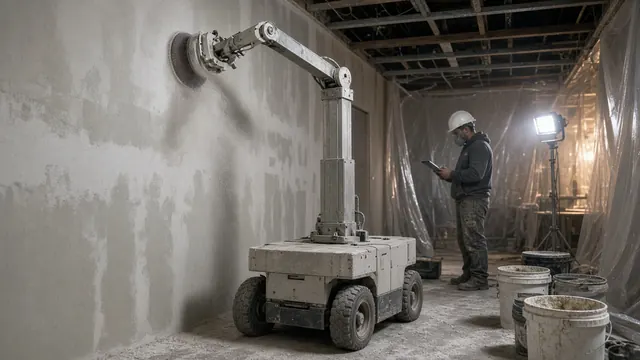 Trades & ConstructionElectricians, plumbers, carpenters and finishers, where robots arrive slowly and skilled hands stay scarce.
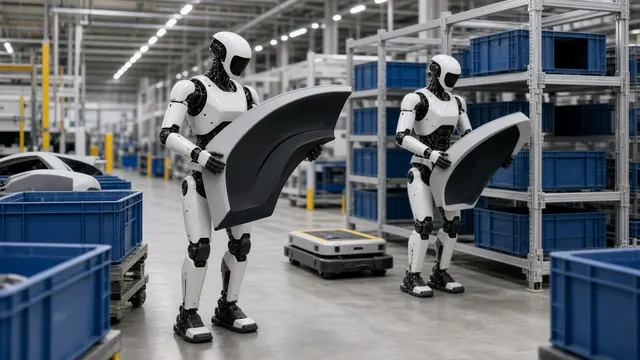 Transportation & LogisticsDrivers, pilots, dispatchers and warehouse staff, the jobs autonomy and robotics target most directly.
Public Safety & GovernmentPolice, firefighters, dispatchers and public servants, where AI use is shaped by law and public trust.
Hospitality & Personal ServiceCooks, servers, cleaners and personal-care workers, where service robots meet real-world mess.
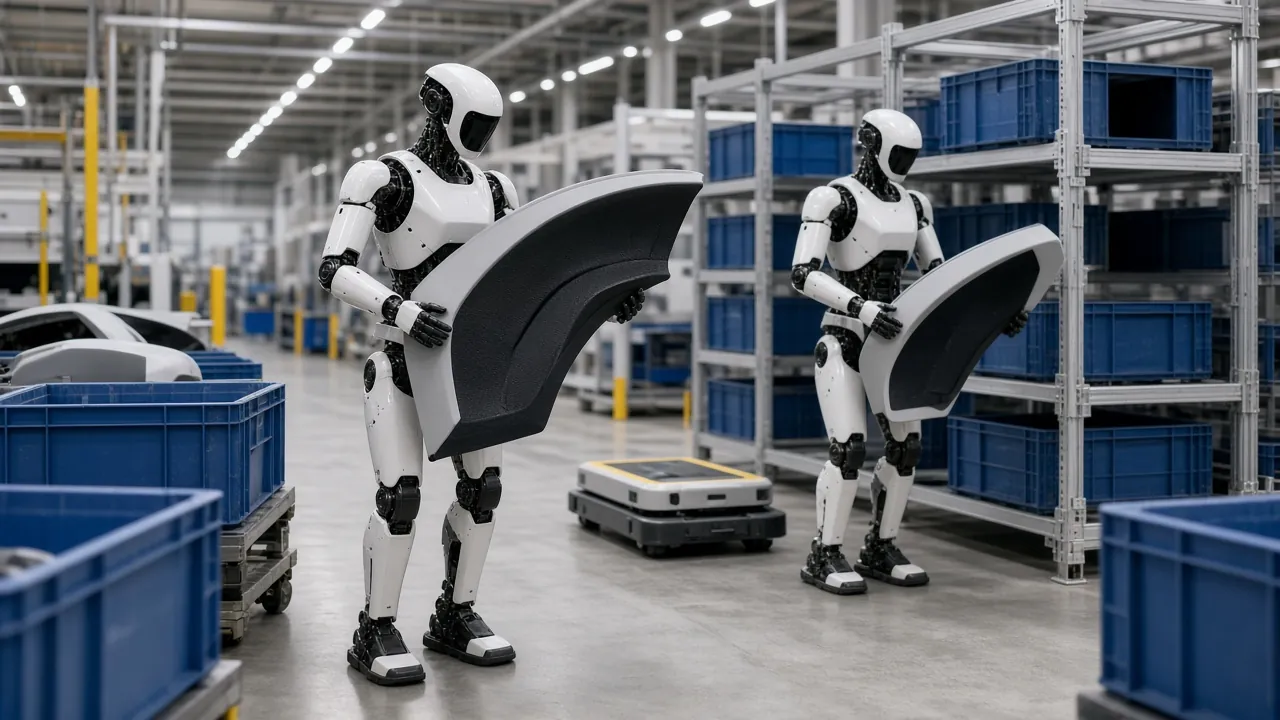
Manufacturing & ProductionMachinists, assemblers, welders and inspectors on factory floors that have used robots for decades.
How we answer "will AI replace…?"
Most "AI will take X% of jobs" lists recycle the same few forecasts. We start somewhere else: what AI and robots are already doing inside each profession today, at named companies, with dates. Then we set that against the official job outlook and the research that actually names the occupation.
What every page must pass before it goes live
- Real examples or an honest blank. Each page has a section on where AI already does part of the job, with named companies, tools, deployments or hiring changes. If we find none, the page says so.
- Quotes checked word for word. A script compares every quotation with the source text and blocks the page if one does not match.
- No invented statistics. Every figure has to appear in a linked source or in U.S. Bureau of Labor Statistics data, or the page is held for a human.
- At least two independent sources besides the BLS, linked inline and listed at the end.
- Original analysis. Each profession gets its own structure and argument. Pages that read too much like another page are rejected.
What "our read" means
The verdict at the top of each page is our editorial judgment, built from the evidence on that page. It is not a probability, and no one can honestly give you one. Job projections come from the BLS 2025 to 2035 Employment Projections, which assume current trends and are updated every year.